
Traveling with Kids During the Off-Season: What to Expect

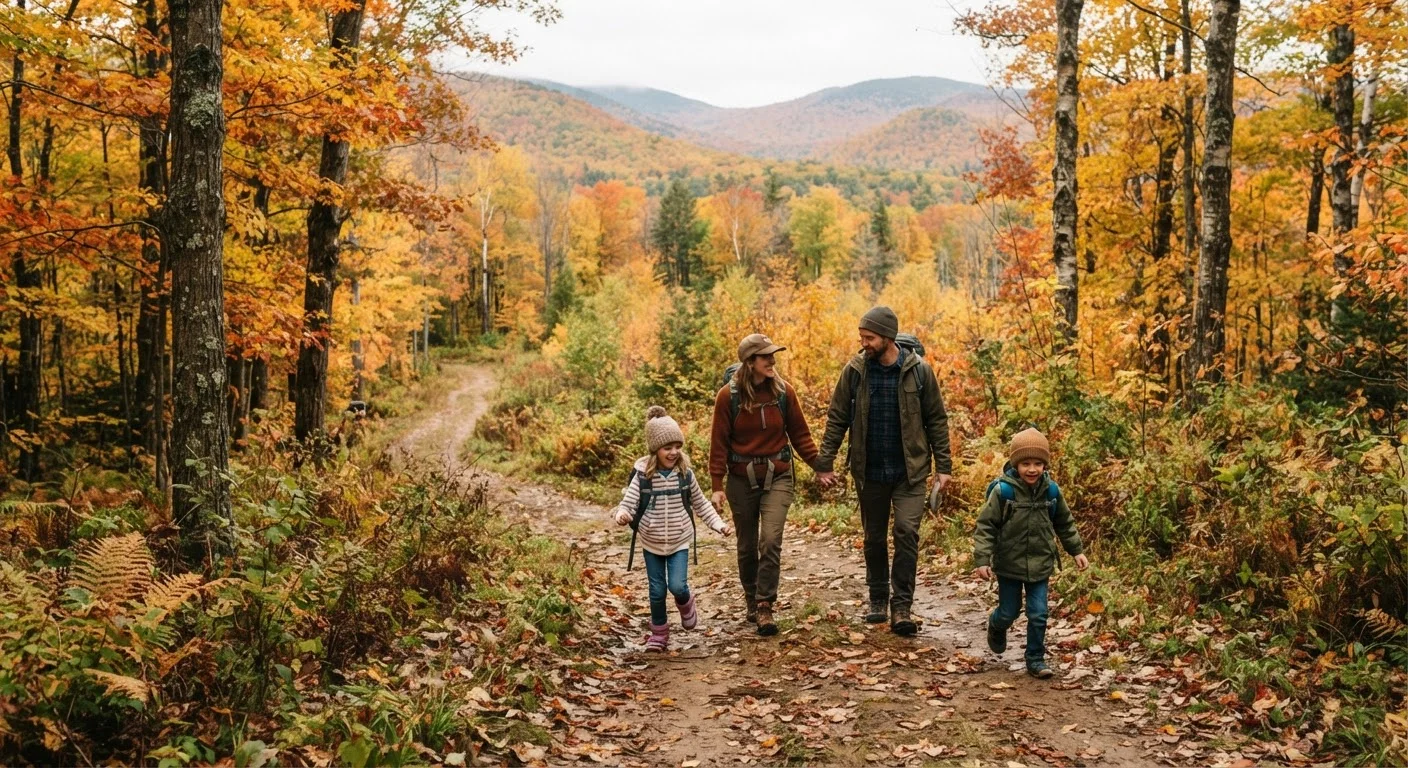
Photo: balancedlivingtools.net editorial
Key Takeaways
- Off-season travel typically brings lower lodging and airfare costs for US families.
- Crowds thin out significantly at popular destinations outside peak months.
- Some attractions, restaurants, and park facilities close or reduce hours in the off-season.
- Weather is less predictable and may limit certain outdoor activities.
- Families who plan around school breaks may find true off-season travel difficult to schedule.
- Calling ahead to confirm hours and availability prevents wasted trips.
Lower hotel and vacation rental rates
Lodging prices at beach towns, theme park areas, and mountain destinations often drop 30 to 50 percent outside peak summer and holiday periods. Families can book larger rooms or better locations for the same budget.
Less crowded attractions and shorter wait times
National parks, museums, and theme parks see significantly fewer visitors in off-peak months. Families spend more time experiencing a place and less time standing in lines.
More affordable airfare on popular routes
Flights to heavily visited destinations such as Florida, Hawaii, and Las Vegas tend to cost less outside school-break windows. Mid-week departures in the off-season can amplify those savings.
Easier access to restaurants and local services
Popular restaurants that require weeks-ahead reservations in summer may have open tables on short notice in the off-season. Families can be more spontaneous about meals and day plans.
Calmer atmosphere at popular outdoor sites
Trails, beaches, and scenic overlooks that feel overrun in summer are genuinely peaceful in the shoulder season. Children have room to explore without constant crowds.
Some attractions reduce hours or close entirely
Seasonal businesses in resort towns may shut down after Labor Day or before Memorial Day. Families can arrive to find tour operators, ferry services, or specific park facilities unavailable.
Weather is less predictable outside peak season
Shoulder months bring more variable conditions at most US destinations. Rain, cold snaps, or early storms can limit outdoor activities that were the main draw of the trip.
School schedules limit true off-season flexibility
Families with children in traditional school programs cannot easily travel outside summer, winter break, and spring break, which are often the highest-cost windows.
Fewer dining and entertainment options in tourist areas
Seasonal destinations may have only a fraction of their restaurants and entertainment venues open in the off-season, limiting variety and sometimes reducing quality of the local experience.
Potential road or facility closures at parks
High-elevation roads, campgrounds, and visitor centers at national parks may close seasonally due to snow or low demand. Without advance research, families can face unexpected detours.
Why off-season timing matters for family budgets
Popular US destinations such as Orlando, the Grand Canyon, and coastal beach towns run on seasonal demand. Prices for hotels, flights, and even rental cars follow the same curve: highest in summer and holiday windows, lower almost everywhere else. For families watching their travel budget, shifting departure dates by even four to six weeks can change the math considerably.
The savings show up most clearly in lodging. A beach-town hotel that charges $280 per night in July may drop to $140 or less in October, with no change to the pool, the beach access, or the room itself. Comparing lodging options before booking can stretch those savings further. Airfare follows a similar pattern: flights to Florida or Las Vegas tend to cost less in January and early September than during school-break windows.
The catch is that not every destination is equally appealing when visitor numbers drop. A beach town with half its restaurants shuttered feels different from the same town in July. Understanding what stays open, what closes, and what the weather is likely to do is the real work of off-season planning.
The advantages of traveling outside peak season
Lower hotel and vacation rental rates
Lodging prices at beach towns, theme park areas, and mountain destinations often drop 30 to 50 percent outside peak summer and holiday periods. Families can book larger rooms or better locations for the same budget.
Less crowded attractions and shorter wait times
National parks, museums, and theme parks see significantly fewer visitors in off-peak months. Families spend more time experiencing a place and less time standing in lines.
More affordable airfare on popular routes
Flights to heavily visited destinations such as Florida, Hawaii, and Las Vegas tend to cost less outside school-break windows. Mid-week departures in the off-season can amplify those savings.
Easier access to restaurants and local services
Popular restaurants that require weeks-ahead reservations in summer may have open tables on short notice in the off-season. Families can be more spontaneous about meals and day plans.
Calmer atmosphere at popular outdoor sites
Trails, beaches, and scenic overlooks that feel overrun in summer are genuinely peaceful in the shoulder season. Children have room to explore without constant crowds.
Shorter lines and emptier parking lots are the most immediate benefit families notice. National parks see dramatic crowd differences: Zion Canyon in November has a fraction of the summer foot traffic, which means trailhead parking is available and the shuttle system runs without long waits. National parks that offer family value are worth researching specifically for their off-season conditions, since some get better and some get harder to visit.
Kids also get a genuinely different experience at museums, aquariums, and historic sites when they are not competing with hundreds of other families for the same exhibit. Staff often have more time to engage with children directly. For families who find crowded spaces stressful, that change alone can make a trip feel worthwhile.
The disadvantages to plan around
Some attractions reduce hours or close entirely
Seasonal businesses in resort towns may shut down after Labor Day or before Memorial Day. Families can arrive to find tour operators, ferry services, or specific park facilities unavailable.
Weather is less predictable outside peak season
Shoulder months bring more variable conditions at most US destinations. Rain, cold snaps, or early storms can limit outdoor activities that were the main draw of the trip.
School schedules limit true off-season flexibility
Families with children in traditional school programs cannot easily travel outside summer, winter break, and spring break, which are often the highest-cost windows.
Fewer dining and entertainment options in tourist areas
Seasonal destinations may have only a fraction of their restaurants and entertainment venues open in the off-season, limiting variety and sometimes reducing quality of the local experience.
Potential road or facility closures at parks
High-elevation roads, campgrounds, and visitor centers at national parks may close seasonally due to snow or low demand. Without advance research, families can face unexpected detours.
Weather is the variable families underestimate most. The shoulder months that produce lower prices, September in the Northeast or March in the Mountain West, also bring less predictable conditions. A beach trip in late October might be sunny and 75 degrees, or it might be cold and rainy for four straight days. Packing for changing conditions becomes more important when the forecast is uncertain.
Service reductions are the other consistent challenge. Many seasonal towns wind down visitor infrastructure after Labor Day. Specific restaurants, tour operators, ferry services, and park visitor centers may operate on reduced schedules or close entirely. Calling ahead or checking current hours on a destination's official site is not optional when traveling off-peak: it is the planning step that prevents disappointment.
What to verify before you book
Verify hours and conditions before you go
Families traveling to national parks in the off-season should check the National Park Service site directly for current facility hours, road closures, and any permit requirements. Conditions at high-elevation parks such as Rocky Mountain or Crater Lake can shift quickly in fall and spring, with road closures that are not always advertised widely.
Beyond parks, contact the local visitors bureau for your destination a few weeks before departure to ask which attractions are open and whether any annual events coincide with your visit. Off-season festivals, harvest events, and local markets can add low-cost activities to an itinerary. Free and low-cost activities in popular US cities can supplement a trip where some paid attractions are closed.
Families planning to drive should also account for off-season road conditions. Mountain passes, rural highways, and coastal routes can be affected by weather in ways that summer travelers never encounter. Comparing driving and flying costs takes on a different dimension when weather adds uncertainty to a driving route.
Realistic expectations for the money you save
30-50%
Typical off-season lodging discount at resort destinations
General industry pricing patterns at beach and mountain resort areas show nightly rates commonly drop by this range outside peak summer and holiday weeks.
4-6 weeks
Shoulder window around peak season with lower prices
Travel pricing patterns suggest that shifting travel dates by four to six weeks from the core peak period can yield meaningful savings on both lodging and airfare.
The savings from off-season travel are real but not automatic. Lower rack rates at hotels do not help if you book during a local event weekend that drives prices back up. Airfare deals require flexibility on departure days, and families with children in traditional school schedules may find that their only low-cost window is during brief fall or spring breaks that many other families also target.
A practical approach is to pick two or three potential travel windows, then check prices across all of them rather than assuming any one week is cheapest. Loyalty programs can help families offset costs further when off-season rates are already lower, since points stretch further against a reduced base price. For families who can build flexibility into their schedule, off-season travel is one of the more reliable ways to get more trip for less money without compromising the core experience.
The content provided on our blog site traverses numerous categories, offering readers valuable and practical information. Readers can use the editorial team’s research and data to gain more insights into their topics of interest. However, they are requested not to treat the articles as conclusive. The website team cannot be held responsible for differences in data or inaccuracies found across other platforms. Please also note that the site might also miss out on various schemes and offers available that the readers may find more beneficial than the ones we cover.