
National Parks That Offer the Most Value for Family Visits

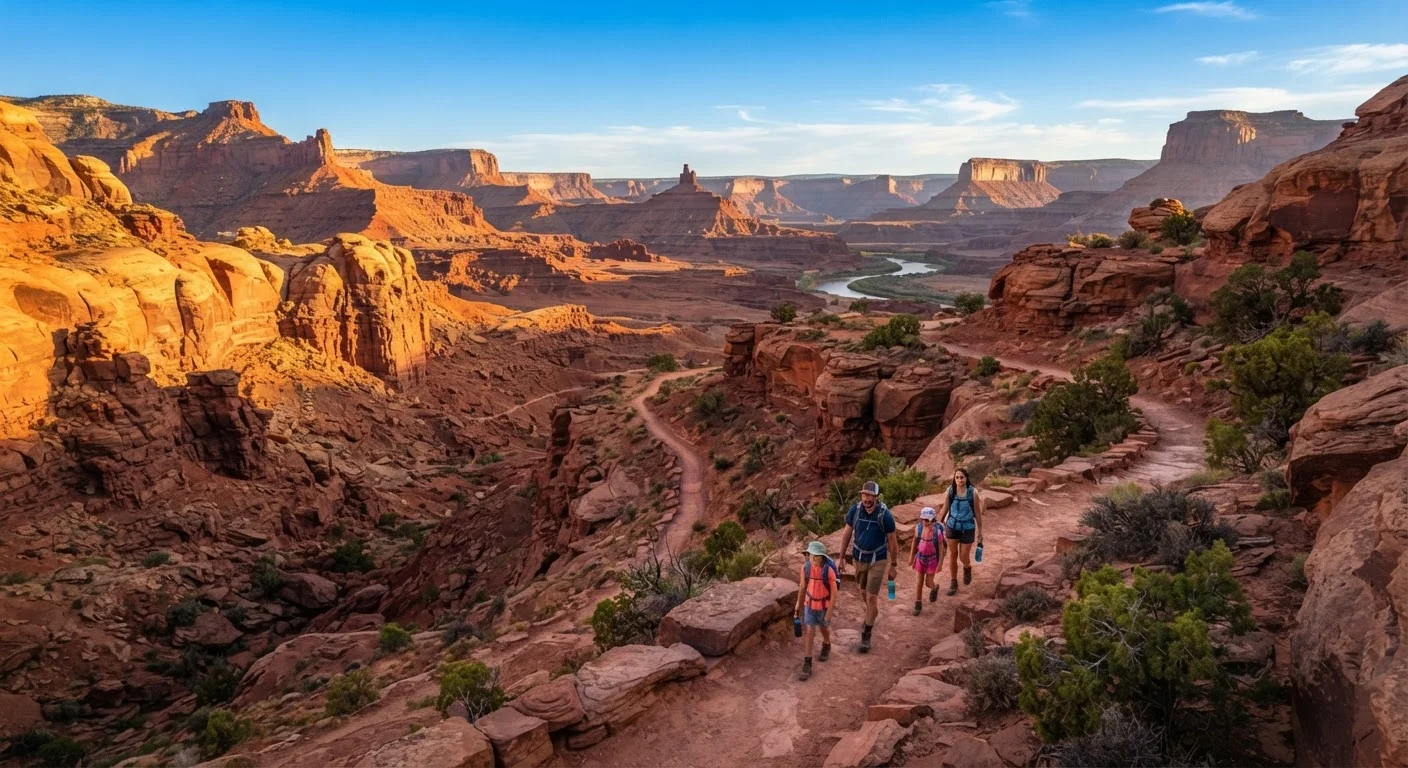
Photo: balancedlivingtools.net editorial
Key Takeaways
- The America the Beautiful Annual Pass covers entrance fees at over 2,000 federal sites and can pay for itself quickly for families.
- Free junior ranger programs are available at nearly every national park and require no extra fee beyond park admission.
- Visiting during shoulder seasons typically means shorter lines, easier parking, and the same landscapes at the same price.
- Many parks contain multiple distinct ecosystems, letting one admission fee cover a full day of varied experiences.
- Campgrounds inside park boundaries often cost less per night than nearby hotels while keeping families closer to the scenery.
Why national parks are worth a close look for budget families
For a family of four, national park entrance fees generally run between $20 and $35 per vehicle, covering unlimited re-entry for seven days. That per-day math is hard to beat when a single visit can fill an entire week with hiking, wildlife watching, ranger-led programs, and stargazing. The parks listed below were chosen because they deliver unusual variety within a single admission: multiple terrain types, free educational programs for kids, and camping or lodging options that keep overall trip costs manageable.
If your family plans to visit more than two or three parks in a year, the America the Beautiful Annual Pass is worth calculating before you buy individual tickets. Our breakdown of what the pass actually covers can help you figure out whether it makes financial sense for your itinerary.
One planning note: always verify current entry fees, campground availability, and any timed-entry reservation systems directly with the National Park Service before you go. Policies change, and some parks now require advance reservations during peak periods.
Parks that give families the most per admission dollar
Each entry below highlights what makes a park stand out specifically for value-minded families: the range of activities inside a single fee, free programs kids can participate in, and practical notes on lodging costs and timing.
Great Smoky Mountains National Park
Great Smoky Mountains is the only national park in the contiguous US with no entrance fee. Zero. Every other park on this list charges admission, which makes the Smokies a genuine anomaly for budget families. The park straddles the Tennessee-North Carolina border and contains over 800 miles of trails, from short waterfall walks to longer ridge hikes that older kids can handle.
The junior ranger program here is free, and ranger-led talks happen daily during the summer season. Cades Cove, an open valley loop popular for wildlife viewing, frequently produces sightings of white-tailed deer and black bears. Campgrounds inside the park are fee-based but generally affordable, and the surrounding towns of Gatlinburg and Cherokee offer budget lodging, though prices spike in October during peak leaf season. If crowds are a concern, visiting outside peak season can make a real difference here.
The only major national park with no entrance fee at all.
Yellowstone National Park
Yellowstone's vehicle fee covers seven days of access to geysers, hot springs, canyons, a large lake, and one of North America's most intact large-mammal ecosystems, all in a single park boundary. Families routinely spend four or five full days here without running short of things to do, which effectively lowers the per-day cost of admission considerably.
The junior ranger program has a specific booklet for younger children and a separate, more detailed version for older kids and teens. Evening ranger programs at campground amphitheaters are free with park admission. Campgrounds inside the park book up months in advance for summer, so planning ahead matters. Visiting in May or September gives families much of the same experience with fewer crowds and somewhat easier campsite availability.
Four or five full days of activities fit inside one seven-day admission fee.
Olympic National Park
Olympic, in Washington State, contains three completely different ecosystems within one park: temperate rainforest, glacier-capped mountains, and over 70 miles of Pacific coastline. A single vehicle pass covers all of them. Families can walk through the Hoh Rain Forest in the morning and watch waves crash on Ruby Beach the same afternoon, which is an unusual range for one admission price.
The park has junior ranger programs tailored for different age groups. Campgrounds on the coast and in the forest fill quickly in July and August, so early reservations are worth the effort. The surrounding Olympic Peninsula has limited commercial development, which keeps the focus on outdoor activity rather than paid attractions. Traveling during September typically means dry weather, open trails, and noticeably smaller crowds than midsummer.
Three distinct ecosystems, one vehicle pass, one seven-day window to use it.
Shenandoah National Park
Shenandoah sits within a few hours' drive of Washington D.C., Baltimore, Philadelphia, and Richmond, which makes it one of the more accessible major parks for a large share of the US population. The park's Skyline Drive runs the full length of the park and gives families with younger children a way to take in ridge-top views without requiring long hikes.
The park has over 500 miles of trails, including sections of the Appalachian Trail, and the junior ranger program is well suited for elementary-aged kids. Campground fees are reasonable by national park standards. Combining a Shenandoah visit with free activities in Washington D.C. makes for a well-rounded and budget-friendly mid-Atlantic trip. Fall foliage typically peaks in October but also brings heavy weekend traffic on Skyline Drive.
Within a few hours of millions of East Coast families, making day trips practical.
Grand Canyon National Park
The Grand Canyon's seven-day vehicle pass covers the South Rim, the North Rim, and corridor trail access, a lot of landscape for a single fee. The South Rim is open year-round, and the main viewpoints along the rim road are genuinely accessible for all ages and physical abilities. The free shuttle system inside the park reduces the need to move the car repeatedly, which families traveling with tired kids tend to appreciate.
The junior ranger program here is one of the more thorough in the park system, covering geology, ecology, and Indigenous history of the canyon. Camping inside the park is popular and requires advance reservations, particularly for the Bright Angel Campground at the canyon bottom. Lodging inside the park tends to be pricier than camping, but nearby gateway towns have a range of options. Comparing campground and hotel costs before you book can help keep the overall trip budget in check.
Free shuttle system inside the park eliminates constant parking moves for families.
Acadia National Park
Acadia, on the Maine coast, packs a surprising range of terrain into a relatively compact area: rocky coastline, forested carriage roads, freshwater ponds, and the summit of Cadillac Mountain, which sits at the northern end of the Eastern US where sunrise arrives first. Families can cover a meaningful portion of the park in a few days, and the per-day cost of a seven-day vehicle pass is low given how much is available.
The carriage road network, built for horse-drawn carriages, is now a 45-mile system open to cyclists and walkers. Renting bikes in the nearby town of Bar Harbor and riding those roads is a popular, low-cost family activity. The junior ranger program spans multiple age ranges. A timed-entry reservation system for vehicles on the Park Loop Road is in effect during peak season; families should check current requirements with the National Park Service before arriving. Season-specific free activities in nearby areas can round out a longer New England trip.
A 45-mile carriage road network gives cyclists and walkers full run of the park.
For more ways to stretch a travel budget before or after a park visit, our guide to free and low-cost activities in popular US cities covers options in cities near several of these parks. If you are building a longer road trip around multiple parks, our road trip budget planning guide walks through route choices, fuel savings, and food costs in detail.
Make the most of free junior ranger programs
The content provided on our blog site traverses numerous categories, offering readers valuable and practical information. Readers can use the editorial team’s research and data to gain more insights into their topics of interest. However, they are requested not to treat the articles as conclusive. The website team cannot be held responsible for differences in data or inaccuracies found across other platforms. Please also note that the site might also miss out on various schemes and offers available that the readers may find more beneficial than the ones we cover.