
Camping vs. Budget Hotels: Which Saves More on a Family Vacation?

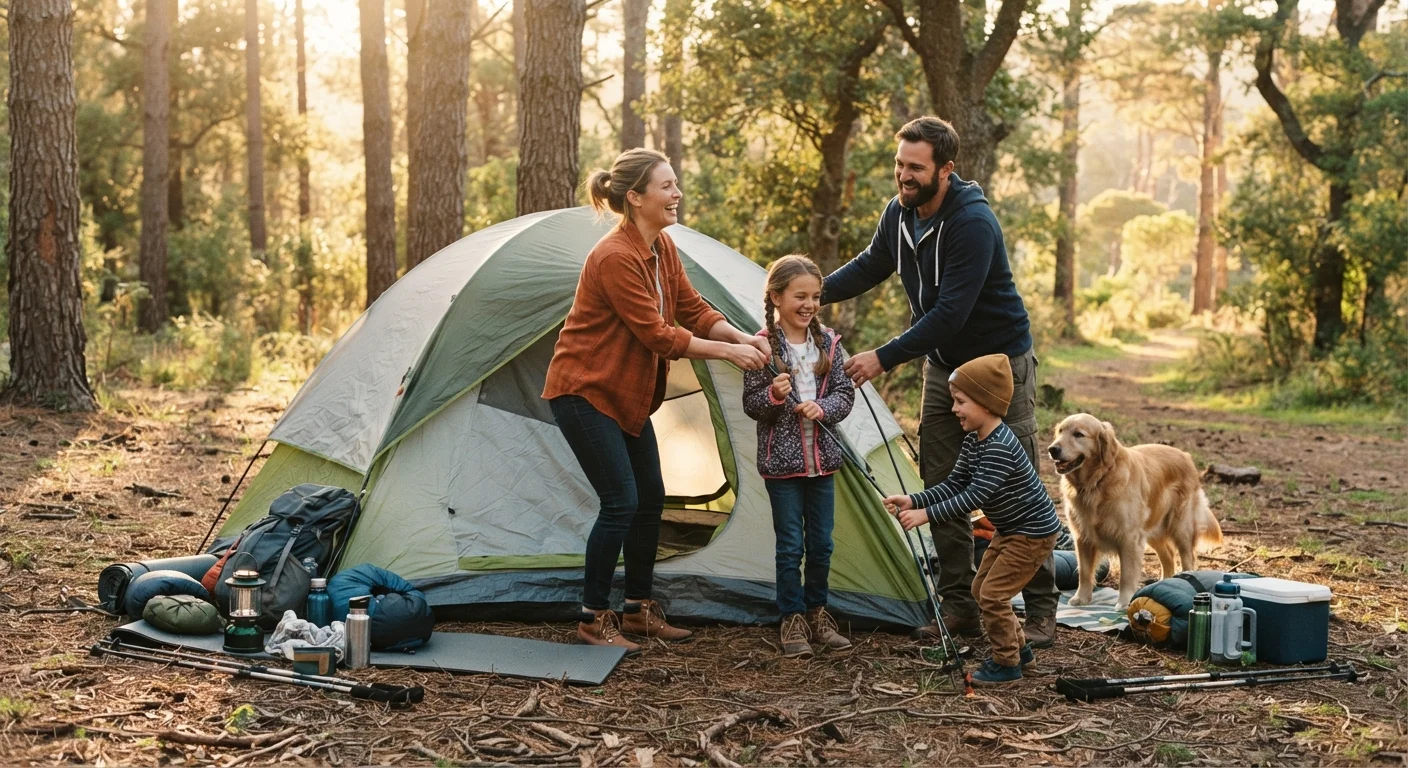
Photo: balancedlivingtools.net editorial
Key Takeaways
- Camping nightly rates are generally lower than budget hotel rates, but upfront gear costs can offset savings on shorter trips.
- Budget hotels add consistent costs like room fees and parking but remove the need for equipment investment.
- Families who camp frequently tend to recoup gear costs within a few trips compared to equivalent hotel stays.
- Location matters: campgrounds near popular national parks fill fast and can be priced higher than you might expect.
- Food costs often differ significantly between the two options, and that gap deserves its own place in your planning.
The real cost breakdown: nightly rates and hidden fees
A budget hotel room for a family of four typically runs between $80 and $150 per night in the US, depending on region and season. That price usually covers the room itself, but parking fees ($10 to $25 per night in some markets), resort fees, and pet charges can push the total higher. Breakfast is rarely included at the lowest tiers.
Campsite fees vary widely. A standard developed site at a state park often costs $25 to $45 per night. Sites inside popular national parks can reach $35 to $50 and require reservations months in advance. Primitive or dispersed camping on public land through agencies like the Bureau of Land Management is sometimes free or close to it, though those sites have minimal facilities. The raw nightly number favors camping, but only if you arrive with the gear already paid for.
| Criterion | Camping | Budget hotels |
|---|---|---|
| Average nightly cost | $25 to $50 per site | $80 to $150 per room |
| Upfront investment | $300 to $700+ (gear) | None |
| Food costs | Lower (cook on-site) | Higher (restaurant reliance) |
| Private bathroom | Shared or none | Yes, in-room |
| Climate control | No | Yes |
| Reservation lead time | Months ahead (popular parks) | Days to weeks |
| Setup and teardown | Required each stay | None |
| Access to nature activities | Direct (on-site or adjacent) | Requires driving |
Food is where the gap widens in camping's favor. Cooking at a campsite, even with simple meals, costs considerably less than relying on restaurants near a hotel. A family spending $60 to $80 per day on restaurant meals could cut that to $20 to $35 with campsite cooking. Over five nights, that difference alone can exceed $200.
The gear factor: when upfront costs matter
Camping appears inexpensive until you price a starter kit. A tent rated for four people, sleeping bags for each family member, sleeping pads, a camp stove, and basic cookware can easily total $300 to $700 or more if purchased new. Families who already own that equipment or who borrow it from family see a clear cost advantage. Families starting from zero face a different calculation.
One useful exercise: add up what you would spend on a five-night hotel trip at $100 per night ($500). Then price out a gear kit. If the kit costs $400 and you plan to camp again within a year, the math shifts toward camping. If this is a one-time experiment, the hotel may actually be cheaper when you factor in the gear sitting unused afterward.
Gear rental is a middle path worth knowing about. Some outdoor recreation shops and a growing number of online platforms rent tents, sleeping bags, and camp kitchen setups. Renting for a single trip costs far less than buying, though availability varies by region. For families curious about camping but not ready to commit, renting gear is a practical way to test the experience before investing.
For more on how travel costs stack up once you factor in transportation, see the full breakdown of driving vs. flying costs for family vacations.
Comfort, convenience, and what families actually use
Budget hotels give families a private bathroom, climate control, a bed for each person, and Wi-Fi. For families with toddlers, older relatives, or anyone with specific medical needs, those features are not optional extras. A bad night's sleep in a tent on uneven ground affects everyone the next day, and that cost shows up in the trip even if it does not appear on a receipt.
Camping has its own practical upsides. Campgrounds at national parks and state parks often have playgrounds, swimming areas, ranger programs, and direct access to trails. Families do not need to drive to reach those activities from their site. If your trip centers on a specific park, camping inside it removes a layer of logistical complexity and daily driving time.
The national parks with the most family value tend to have campgrounds that book out fast, so planning ahead is necessary regardless of budget. Off-season travel can open up availability and reduce both campsite and hotel prices significantly, as covered in the guide to off-season family travel.
Which option works better for your family's style
Neither option is automatically cheaper for every family. The one that saves more depends on how often you travel, what gear you already own, how many nights you plan to stay, and what your family actually enjoys doing on vacation.
Families who take two or three trips per year and own a basic kit will almost always spend less camping over time. The nightly rate advantage stacks up, food costs drop, and the gear cost gets absorbed across multiple trips. Families who travel once a year to a city or a theme park destination will find budget hotels simpler and often no more expensive once gear costs are factored in.
A few useful questions to ask before you book: Does your family enjoy cooking outdoors and spending evenings at a site? Is the destination one where campgrounds are available close to what you want to see? Are you flexible on comfort level? If the answer to all three is yes, camping is worth serious consideration. If any answer is no, a budget hotel removes the friction and still keeps lodging costs manageable.
For a broader look at planning a low-cost family road trip that could incorporate either option, the family road trip budget planning guide walks through route planning, fuel, and lodging decisions together.
The content provided on our blog site traverses numerous categories, offering readers valuable and practical information. Readers can use the editorial team’s research and data to gain more insights into their topics of interest. However, they are requested not to treat the articles as conclusive. The website team cannot be held responsible for differences in data or inaccuracies found across other platforms. Please also note that the site might also miss out on various schemes and offers available that the readers may find more beneficial than the ones we cover.