
Free and Low-Cost Family Activities Across Every Season

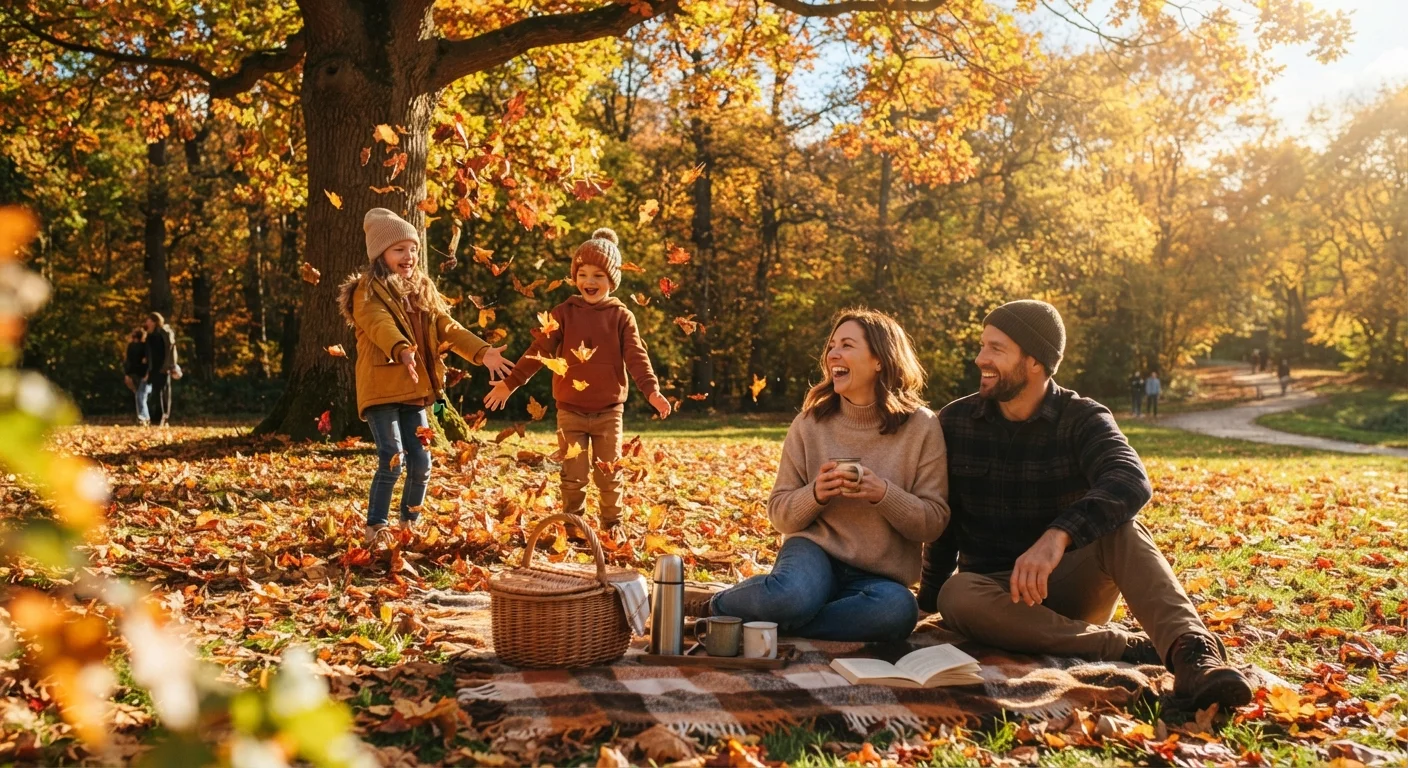
Photo: balancedlivingtools.net editorial
Key Takeaways
- Every season offers genuinely free or low-cost family activities that require little planning.
- Public lands, libraries, and community programs are consistently underused sources of no-cost entertainment.
- Shifting your mindset from paid events to place-based experiences can stretch a family budget significantly.
- Many activities that feel expensive have free or near-free equivalents at the local level.
- A small amount of advance research can unlock discounts, free admission days, and community events.
Why seasonal activities are worth your attention
Entertainment spending adds up fast, especially when you have children who cycle through interests quickly. A single afternoon at a theme park or indoor play center can run well over $100 for a family of four before you factor in snacks or parking. That math gets old in a hurry.
The good news is that the calendar itself does a lot of the work for you. Each season brings a natural rotation of outdoor spaces, community events, and low-cost programs that most families walk right past. The aim here is to slow down and notice what's already available, season by season, so you're not scrambling at the last minute or defaulting to expensive options out of habit.
This list covers activities that are either free or come with a small, predictable cost. It spans all four seasons so you can plan ahead and build a rhythm your family will actually look forward to. For families who also want to combine activities with travel, national parks offer strong value for the entrance fee across many seasons.
Winter: library programs and indoor maker spaces
Public libraries have expanded well beyond books. Most branches now run free story times, STEM workshops, craft hours, and movie screenings specifically designed for kids in the winter months when outdoor options thin out. Many libraries also lend museum passes, board games, and even telescopes at no charge.
Maker spaces, often hosted inside libraries or community centers, let kids experiment with 3D printers, sewing machines, and basic electronics with no materials cost. Call ahead to confirm age requirements and whether registration is needed, since popular sessions fill up.
Most library programs are completely free and require only a library card to access.
Winter: sledding and free outdoor recreation
Any hill with a clear run and a sled is a full afternoon of entertainment. City and county parks departments maintain designated sledding areas in many parts of the country, often with packed snow and clear sight lines for safety. These spots cost nothing to use and rarely require advance planning.
Cross-country skiing and snowshoeing, where conditions allow, can be done on public trails in national forests and state parks for free or at very low cost. Equipment rental fees are usually modest at local outfitters compared to ski resort prices, and the experience is far less crowded.
Designated sledding hills in public parks are a zero-cost winter staple that kids rarely tire of.
Spring: nature scavenger hunts and trail walks
Spring is the easiest season to get outside cheaply. Trails across the US open back up, migratory birds return, and wildflowers make even familiar paths feel new. A printed or hand-drawn scavenger hunt list turns a straightforward walk into a focused activity for younger children.
The US Forest Service and many state park systems provide free printed field guides and junior ranger booklets that work as activity frameworks on their own. Children who complete junior ranger programs receive a badge at no cost, which adds a sense of accomplishment that purely unstructured outings sometimes lack.
Junior ranger programs at state and national parks are free and work as ready-made activity frameworks.
Spring and summer: community gardens and volunteer days
Many cities and towns maintain community gardens that welcome family volunteers for planting and maintenance days, especially in spring. These events are free, hands-on, and genuinely educational. Children learn where food comes from and often develop a surprising interest in growing things once they see seeds sprout.
Summer often brings volunteer clean-up days at local parks, trails, and shorelines. These are structured, supervised, and typically take two to three hours, which is a practical length for families with younger kids. Some programs provide light refreshments. Home and garden resources can also help families set up their own small growing space at home as a follow-on activity.
Community garden volunteer days cost nothing and give children direct, tangible contact with how food grows.
Summer: free museum and cultural institution days
A wide range of museums, zoos, botanical gardens, and cultural institutions across the US offer free or reduced-price admission on specific days. These include national museums under the Smithsonian umbrella, which have no general admission fee, as well as many city art museums, science centers, and aquariums that reserve free hours on select evenings or first Sundays.
The Bank of America Museums on Us program, to name one publicly documented example, offers free admission to cardholders at participating institutions on certain weekends each month. It's worth checking what your bank or credit union offers, since similar programs exist at other financial institutions without much fanfare.
Many science centers and art museums hold regular free admission days that go underutilized by local families.
Fall: harvest festivals, apple picking, and local farms
Fall farm activities vary considerably in cost, so it pays to compare options before you go. Pick-your-own orchards typically charge by the pound for fruit, which often works out cheaper than buying at a grocery store while doubling as an outing. Many farms offer free general access to pumpkin patches with purchase optional.
Free harvest festivals run by county extension offices, municipal parks departments, and agricultural fairs are common in rural and suburban areas throughout September and October. These events often include hayrides, crafts, and live music at no charge. Checking a local community events board or town newsletter a few weeks ahead usually surfaces several options. Families who build seasonal rhythms around this kind of local spending also tend to find their food budget benefits. A structured meal planning system can help absorb the produce you bring home from farm visits without it going to waste.
Pick-your-own orchards often cost less per pound than retail while giving the whole family an afternoon outdoors.
Making it work on any budget
The activities above don't require a large initial outlay, but a little preparation helps. Checking your county parks department website, local library calendar, and community board once a month takes about ten minutes and usually turns up more options than you can use. Many museums and nature centers also hold free admission days that aren't widely advertised.
Check your local library for museum passes
If your family enjoys mixing activities with travel, planning around the off-season can lower costs even further. Traveling with kids during the off-season has trade-offs worth understanding before you book. For longer trips, road tripping on a budget lays out a workable approach to keeping costs predictable. And if you're specifically looking for city-based options, free and low-cost activities in popular US cities covers destinations like Chicago, Denver, and Washington DC in more detail.
The content provided on our blog site traverses numerous categories, offering readers valuable and practical information. Readers can use the editorial team’s research and data to gain more insights into their topics of interest. However, they are requested not to treat the articles as conclusive. The website team cannot be held responsible for differences in data or inaccuracies found across other platforms. Please also note that the site might also miss out on various schemes and offers available that the readers may find more beneficial than the ones we cover.