
Second-Hand Furniture: What to Inspect Before You Bring It Home

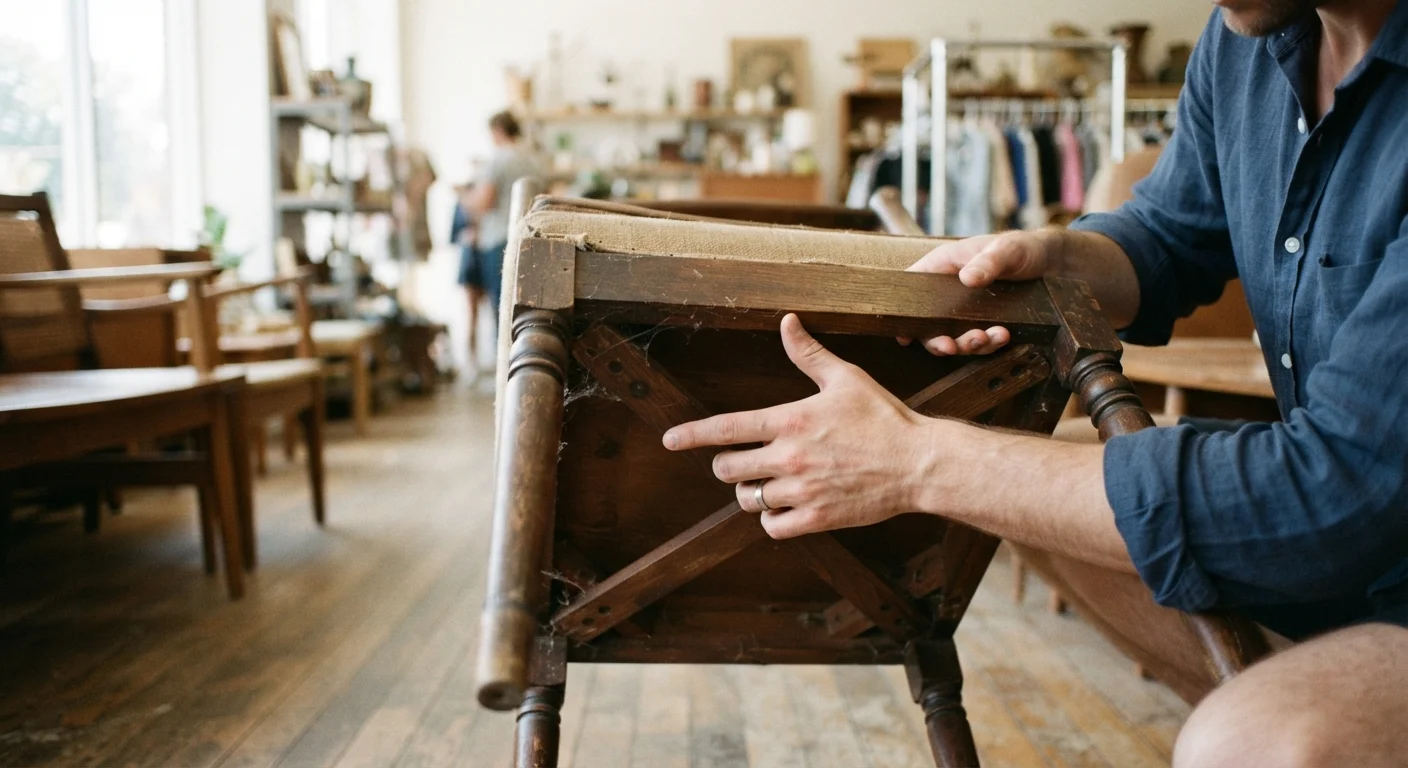
Photo: balancedlivingtools.net editorial
Key Takeaways
- Structural soundness matters more than surface appearance when evaluating used furniture.
- Pest evidence such as frass, exit holes, or shed skins is a firm reason to walk away.
- Upholstered pieces require extra scrutiny at seams, cushion bases, and frame junctions.
- Odors embedded in wood or foam are very difficult to remove and often indicate deeper problems.
- Solid hardwood and metal frames generally outlast particleboard or MDF in second-hand condition.
Why a physical inspection is worth the time
Buying second-hand furniture is one of the most practical ways a household budget stretches further on home furnishing, but the savings only hold if the piece you bring home does not carry hidden structural, pest, or safety problems. Unlike buying new, used furniture has a history you cannot fully know, so your eyes, hands, and nose are your main verification tools.
This checklist covers wood, upholstered, metal, and mixed-material pieces across the categories most commonly found at estate sales, thrift stores, online marketplaces, and garage sales. The same inspection logic that applies to furniture applies to many other secondhand acquisitions: the used car buying checklist follows a comparable discipline of methodical physical verification before committing to a purchase.
Work through each group below before you agree on a price. Bring the tools listed in the tools section; a phone torch and a flat-head screwdriver cost you nothing extra and catch problems that a quick glance misses entirely.
Flashlight or phone torch
Illuminate dark joints, drawer interiors, and the underside of upholstery when inspecting for pests or structural damage.
Small flathead screwdriver
Probe wood in suspect areas to test for soft spots caused by moisture damage or wood-boring insects.
Tape measure
Verify dimensions fit your space before committing, including doorway and stairwell clearances.
Disposable gloves
Protect your hands when handling heavily soiled upholstery or pieces of unknown origin.
CPSC recall database (cpsc.gov)
Check children's furniture and older upholstered pieces against current recall notices before purchasing.
How to use this checklist
Go through the groups in order. Start with structure because a piece that cannot bear weight safely is not worth inspecting further. Move to pest evidence next, since a positive finding there is an immediate walk-away signal. Then assess surface wear and hardware, which affect repair cost and effort. Close with safety items, particularly if the piece will be used by children.
Mark each item as clear, needs attention, or fail. One fail in the pest or safety group means the piece should stay where it is. Multiple needs-attention items in structure or hardware may still be worth the purchase if you can estimate repair costs honestly and the seller adjusts the price accordingly. If you plan to repurpose or refinish the piece afterward, the repurposing household items guide covers practical approaches to giving worn pieces a new function.
Lead paint risk on older pieces
Upholstered pieces deserve a full pass of the pest and odor checks regardless of how clean they look on the surface. Foam and fabric retain smells and organisms that a visual scan at a distance will not reveal.
Structural integrity
Pest and infestation checks
Surface and material wear
Hardware and mechanical parts
Safety considerations
After the inspection: next steps
If the piece clears all must items and most should items, it is a reasonable purchase. Before loading it into your vehicle, measure doorways, hallways, and the intended room to confirm it fits, since moving oversized furniture back out is a time cost most families underestimate.
Do not bring in upholstery with pest signs
Clean and treat any piece before it enters your living space. Wipe down hard surfaces with a mild cleaner, air out cushions, and replace any hardware that showed surface rust. For solid wood with minor scratches, a paste wax or danish oil application is usually sufficient. Avoid introducing a piece directly into a carpeted room until you are confident there is no pest activity.
Children's furniture, particularly cribs and high chairs, warrants one additional step regardless of physical condition: cross-reference the model against the CPSC recall list at cpsc.gov before the piece goes anywhere near a child. Recall information is free, current, and searchable by product type and brand.
The content provided on our blog site traverses numerous categories, offering readers valuable and practical information. Readers can use the editorial team’s research and data to gain more insights into their topics of interest. However, they are requested not to treat the articles as conclusive. The website team cannot be held responsible for differences in data or inaccuracies found across other platforms. Please also note that the site might also miss out on various schemes and offers available that the readers may find more beneficial than the ones we cover.