
Before You Sign Anything: A Checklist for Buying a Used Family Car

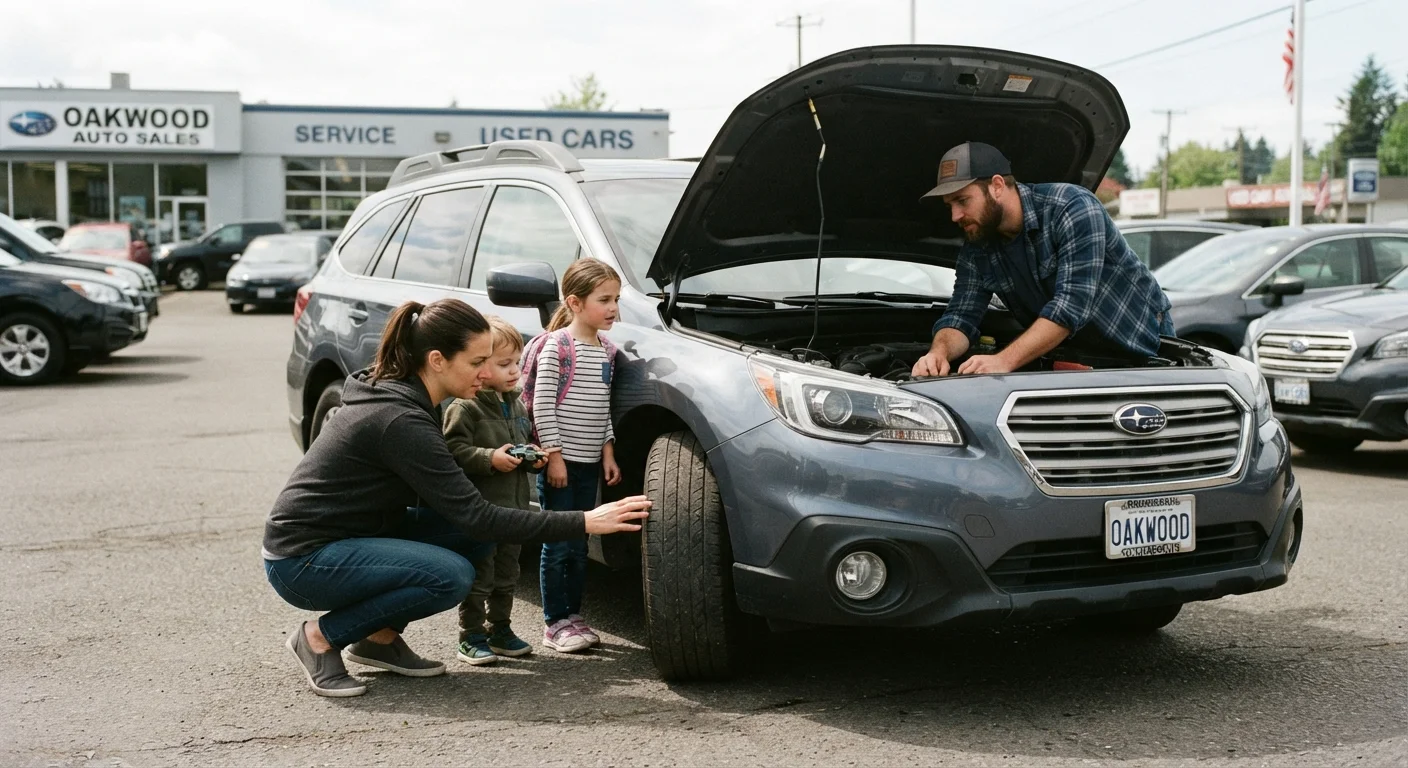
Photo: balancedlivingtools.net editorial
Key Takeaways
- Pull a vehicle history report before scheduling any in-person inspection.
- Mechanical red flags spotted during a test drive can signal repair costs that exceed the car's value.
- An independent pre-purchase inspection by a mechanic typically costs $100 to $150 and is worth every dollar.
- Verifying title status and checking for open recalls takes minutes but protects you from serious legal and safety exposure.
- Understanding the total ownership cost matters as much as the purchase price.
Why this checklist matters before any deal
Used car buying is where families most often absorb preventable financial losses. A vehicle priced $3,000 below market can carry $4,000 in deferred maintenance, undisclosed accident damage, or a salvage title that makes it nearly impossible to insure at a reasonable rate. If you are weighing whether to buy used at all, the cost comparison between new and used cars lays out the full financial picture.
This checklist covers every stage: what to verify remotely before you drive anywhere, what to inspect on-site, and what to confirm in the paperwork. Work through it in order. Skipping the remote checks wastes your time on vehicles that should have been eliminated earlier.
Remote checks before visiting
Exterior and body inspection
Mechanical and under-hood checks
Interior and safety systems
Paperwork and closing
Tools you will need
Most of these cost nothing. The paid items are modest relative to the financial risk they offset.
Vehicle history report service (e.g., via NHTSA or paid providers)
Reveals accident history, title brands, odometer readings, and previous ownership.
NHTSA VIN recall lookup (nhtsa.gov)
Free government tool to check whether the vehicle has unresolved safety recalls.
OBD-II scanner
Reads stored and pending diagnostic trouble codes from the vehicle's computer before you buy.
Flashlight
Needed to inspect wheel wells, undercarriage, engine bay, and interior floor areas properly.
Independent licensed mechanic
Performs a pre-purchase inspection to identify mechanical issues not visible during a casual walkthrough.
Used-vehicle valuation guide
Provides market value ranges so you can assess whether the asking price is reasonable.
What to watch for during and after the test drive
A test drive should last at least 20 minutes and include highway speeds, hard stops, and a section of uneven road. Drive it cold if possible: a warm engine can mask starting problems and hide oil leaks that only appear when cold oil circulates.
Never skip the independent mechanical inspection
After the drive, let the car idle in a parking lot for five minutes and look underneath for fresh fluid drips. Check that all warning lights extinguished after startup. A persistent check-engine light is not always catastrophic, but it requires an OBD-II scan before you proceed. Any seller who refuses a pre-purchase inspection by your chosen mechanic is a reason to walk away, not negotiate harder.
Once you have cleared the mechanical and history steps, shift attention to the paperwork. Confirm the VIN on the dashboard matches the title, the door jamb sticker, and the vehicle history report. Check for any open safety recalls using the National Highway Traffic Safety Administration's free VIN lookup tool. For ongoing cost planning after your purchase, the strategies for lowering car ownership costs can help you budget fuel, insurance, and maintenance realistically.
If this vehicle will eventually be traded in, note its current condition carefully. The common mistakes families make during trade-ins often start with poor documentation at purchase time.
The content provided on our blog site traverses numerous categories, offering readers valuable and practical information. Readers can use the editorial team’s research and data to gain more insights into their topics of interest. However, they are requested not to treat the articles as conclusive. The website team cannot be held responsible for differences in data or inaccuracies found across other platforms. Please also note that the site might also miss out on various schemes and offers available that the readers may find more beneficial than the ones we cover.