
Routine Maintenance Tasks That Quietly Save Families Hundreds Each Year

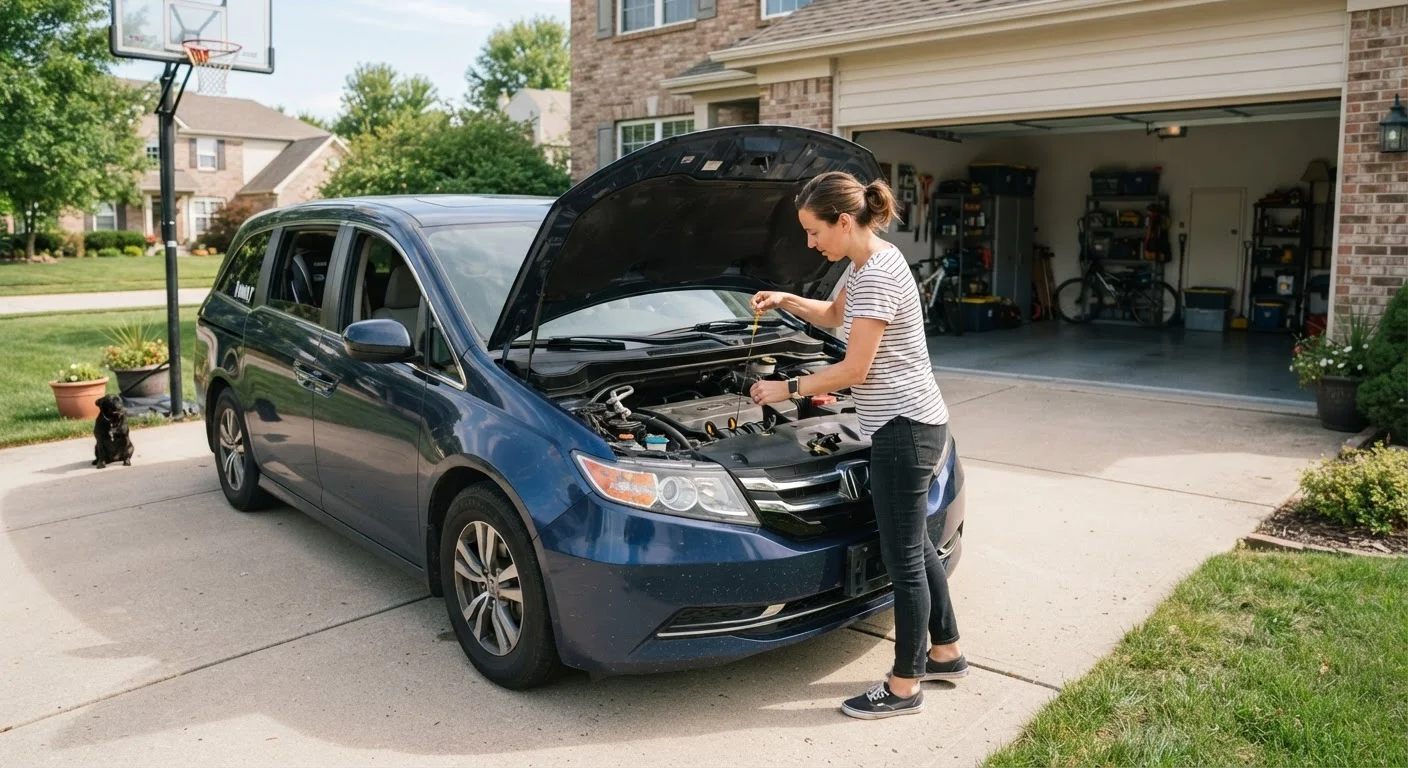
Photo: balancedlivingtools.net editorial
Key Takeaways
- Staying current on routine maintenance generally costs far less than repairing the damage neglect causes.
- Tire pressure, fluid levels, and air filters are checks most owners can do themselves with minimal tools.
- A documented service history can raise a vehicle's resale value and lower the risk of surprise breakdowns.
- Skipping small tasks like replacing brake pads on time often leads to more expensive component damage.
- Building a simple maintenance calendar reduces the chance of forgetting intervals that matter most.
Why consistent upkeep pays off
Most mechanical failures that strand families on the side of the road share one thing in common: they were preventable. A snapped timing belt, an overheated engine, a dead battery on a freezing morning. Each one typically traces back to an interval that slipped past unnoticed. When families treat maintenance as optional, they tend to pay reactive repair prices rather than planned maintenance prices, and those two figures rarely look alike.
The good news is that the majority of high-impact maintenance tasks are inexpensive and straightforward. You do not need a fully equipped garage or a mechanical background to stay on top of most of them. What you do need is a rough schedule and the habit of checking in on your vehicle before problems announce themselves. For a broader look at reducing every ownership cost, see strategies for lowering every major car expense.
Oil and filter changes on schedule
Engine oil lubricates hundreds of moving parts. As it ages, it degrades and carries contaminants that gradually wear metal surfaces. Letting oil go too long between changes can lead to sludge buildup, accelerated wear, and in severe cases, engine damage that costs several times more than years of timely oil changes. Most manufacturers specify an interval in your owner's manual, and following that schedule is one of the lowest-cost ways to protect the most expensive component in the vehicle.
If you are weighing whether to do this yourself, an honest look at DIY oil changes breaks down when the math works in your favor and when it does not.
Sludge buildup from old oil can cause engine damage that costs far more than years of timely changes.
Tire pressure and rotation
Tires that run underinflated wear unevenly and reduce fuel economy. The U.S. Department of Energy has noted that properly inflated tires can improve gas mileage by roughly 0.5% to 3% depending on conditions. At current fuel prices, that adds up across a year of driving. Checking pressure monthly with an inexpensive gauge costs nothing beyond two minutes of time.
Rotating tires every 5,000 to 7,500 miles (check your owner's manual) evens out wear across all four corners. Tires that wear evenly last longer, which delays an expense that typically runs $400 to $800 or more for a full set depending on size and vehicle type.
Properly inflated tires can improve fuel economy by up to 3%, and rotation extends the life of a full set.
Air filter replacement
A clogged engine air filter restricts airflow, which affects combustion efficiency and can reduce acceleration responsiveness. Filters are inexpensive, often $15 to $30, and on many vehicles replacing one requires no tools at all. Most manufacturers recommend inspection every 12,000 to 15,000 miles, though driving in dusty or rural conditions shortens that interval.
The cabin air filter, which cleans air entering the passenger compartment, is equally easy to overlook. A dirty cabin filter strains the HVAC system and affects air quality inside the vehicle. It is typically located behind the glove box and takes under 10 minutes to swap out.
Engine and cabin air filters are among the cheapest, fastest replacements you can do yourself at home.
Brake system inspection
Brake pads wear down gradually and most have a wear indicator that produces a squealing sound when they approach the end of their useful life. That sound is a built-in warning to act before metal contacts metal rotor. Replacing pads at the right time typically costs $150 to $300 per axle. Waiting until rotors are gouged adds rotor replacement to the bill, often doubling or tripling the total cost.
Having a qualified mechanic inspect brake components at each tire rotation is a practical way to catch pad wear early without paying for a dedicated brake inspection visit.
Replacing worn brake pads before rotors are damaged can cut repair costs by half or more.
Fluid level checks
Coolant, transmission fluid, brake fluid, and power steering fluid each protect a specific system. Low coolant can cause overheating. Low transmission fluid accelerates wear on an assembly that costs thousands to rebuild. These fluids do not need to be checked at every fill-up, but a monthly glance at the reservoir marks and a visual scan for any wet spots beneath the vehicle takes very little time.
Catching a slow coolant leak early, for instance, might mean replacing a $20 hose clamp rather than a $1,500 radiator or worse. This habit mirrors the approach described in preventing large home expenses through small repairs: small, regular attention stops small problems from growing.
A slow fluid leak caught early can cost $20 to fix; left alone, it can reach into the thousands.
Battery terminals and connections
Corrosion on battery terminals is one of the most common causes of no-start situations. It builds up slowly and invisibly. A visual check every few months, looking for white or blue-green buildup around the posts, takes seconds. Cleaning terminals with a wire brush and a baking soda solution is a simple task that most owners can do safely. Replacing a battery before it fails completely, rather than after it leaves someone stranded, also tends to be less expensive because the purchase is not made under time pressure.
Cleaning corroded battery terminals takes minutes and prevents the cost and inconvenience of a no-start failure.
Turning maintenance into a habit
The families who spend the least on unplanned repairs tend to do one thing consistently: they treat maintenance as a scheduled event rather than something they get to eventually. A simple calendar reminder tied to oil change intervals or tire rotation mileage removes most of the friction. Some owners keep a small notebook in the glove box to log dates, mileage, and what was checked or replaced. That record also matters if you ever sell the vehicle, since documented service history generally supports a stronger asking price.
Build a simple maintenance calendar
The same logic applies across household budgets. Small repairs that prevent large home expenses follows the identical principle: address minor issues while they are minor. Whether the subject is a car or a house, deferred maintenance compounds into larger bills over time.
The content provided on our blog site traverses numerous categories, offering readers valuable and practical information. Readers can use the editorial team’s research and data to gain more insights into their topics of interest. However, they are requested not to treat the articles as conclusive. The website team cannot be held responsible for differences in data or inaccuracies found across other platforms. Please also note that the site might also miss out on various schemes and offers available that the readers may find more beneficial than the ones we cover.